
Why FCMO Grow Was Built: The Story Behind the Strategy
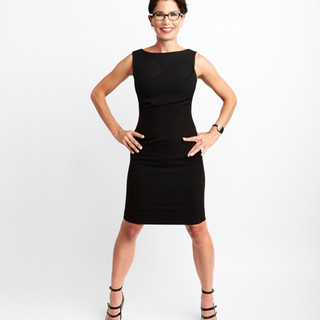

Rachel Roberts as Audrey Hepburn in anticipation of the grand opening of The Statler.
Why Rachel Roberts Built FCMO Grow
Rachel Roberts didn’t follow a traditional path into marketing—or into becoming a Fractional CMO. But it’s that very path that makes her approach to small business marketing leadership so effective.
She began her career in fitness at just 16 years old, eventually managing high-performing teams for luxury wellness brands and producing an award-winning fitness video series for new moms. She later earned a master’s degree in theology, where she developed a deep understanding of community-building, shared identity, and what motivates people to rally around a cause.
She carried those insights into her work in commercial real estate, leading branding, marketing, and community relations efforts for numerous mixed-use redevelopment projects totaling nearly $2 billion in assets. Rachel is also a published author whose eclectic background gave her deep insight into one key truth: if you understand what motivates people, you can move them—internally and externally.
That’s marketing.
Building Community is Good for Business Rachel Roberts speaking at a Preservation Dallas event at The Statler. You can have fun while doing epic work— like redeveloping an iconic hotel.
Today, Rachel leads FCMO Grow—a strategic marketing firm that provides relationship-driven small businesses with executive-level Fractional CMOs and an integrated, in-house marketing department built to help emerging brands become category leaders.
Why So Many Small Businesses Struggle With Marketing
Rachel entered marketing not through academia, but through experience—as someone who needed good marketing and couldn’t find it. She saw what most small business owners struggle with today:
Marketing vendors who overpromise and underdeliver
Agencies that prioritize vanity metrics over real traction
Founders forced to become their own de facto CMO
After years in executive marketing leadership, Rachel kept seeing the same costly pattern: businesses burning time and money on marketing that failed to drive real growth.
The root problem was almost always the same — they were missing two critical pieces: strategy and systems.
The Three Problems FCMO Grow Was Built to Solve
1. No Central Strategy
Companies invested heavily in execution, but without a CMO-level strategist at the helm, their efforts lacked cohesion and long-term impact.
2. Too Many Silos and No Systems
Multiple agencies, platforms, and freelancers operated in isolation—without integrated systems, workflows, or clear operational structure—creating inefficiencies, redundancies, and endless finger-pointing.
3. Broken Trust
After years of disappointing experiences, business owners became hesitant to invest in marketing, even though they knew it was essential for growth.
FCMO Grow Strategy & Systems: A Different Kind of Marketing Partner for Small Businesses
In the fall of 2024, Rachel launched FCMO Grow to bridge this gap, existing to be the strategic partner small business owners have always needed but rarely find. Through its flexible membership model and integrated marketing department, the firm provides clarity, consistency, and execution built for scale.
Whether B2B or B2C, FCMO Grow works with businesses built on relationships and amplified by the best of digital and agentic marketing.
The Mission Behind FCMO Grow
Rachel’s mission is clear: FCMO Grow is the Brand Guardian for small businesses that deserve to succeed.
Because in a world dominated by big chains and private equity, small businesses shouldn’t just survive. They should triumph.
Stay in the Know!

A monthly briefing on the latest marketing, AI, and regulatory shifts affecting small businesses.
FCMO Grow is a turnkey mobile marketing department for small businesses, pairing a dedicated Fractional CMO with a full execution team. The firm supports lead-driven business models and works with founders, owners, and CEOs committed to competing strategically—instead of relying on duct tape and wishful thinking.


Comments